Week 8 | Coloring Corner
Healthy Habits
Week 8 | Weekend Passport
Curry in a Hurry
Week 8 | Fun Food Friday
Three Bean Chili
Week 8 | Thirsty Thursday
Lime and Cilantro
Week 8 | Wellness Wednesday
Herbs and Spices
Week 8 | Try It Tuesday
Challenge: Radishes
Week 8 | Monday Math & Science
Make your own Water Colors
Pantry Planning
By Haley Kinder, Dietetic Intern, Texas A&M University
Reviewed by: Katy Bowen, MS, RDN, LD
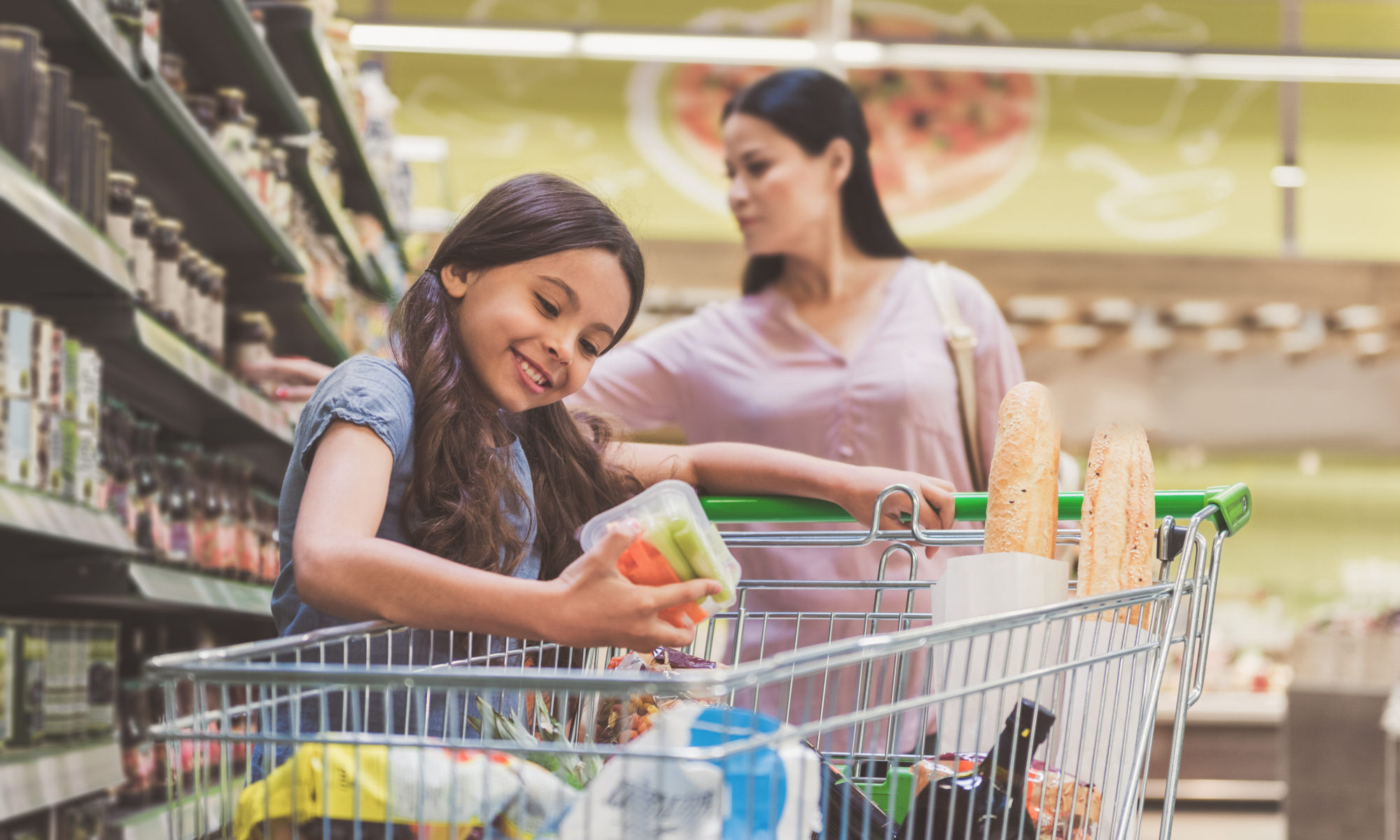
Looking in the pantry to figure out what to cook for a meal can be overwhelming. You see all of these ingredients, but you have no idea what to make with them. On some nights there may be no time for a quick trip to the grocery store so making sure you have some pantry staples on hand can be essential. Below is a list of suggested staples to keep in the pantry to help whip up meals on the fly.
Common pantry ingredients
Dry goods
These are usually inexpensive, have a long shelf life, and can be purchased in a variety of sizes. Based on your family’s needs and taste preferences, you can buy some items in bulk so that you always have the ingredient on hand.
- Whole grain bread
- Brown rice
- Whole grain pasta
- Quinoa
- Whole grain cereals
- Rolled oats
- Baking powder
- Baking soda
- Whole grain flour
- White or brown sugar
- Unsalted nuts
- Dried fruit
Canned goods
Canned fruits and vegetables have a longer shelf life than fresh options and are still great choices for creating delicious, healthy meals. Make sure to check the labels and purchase the “No Sodium Added” canned vegetables and fruits canned in juice rather than syrup.
- “No Sodium Added” canned vegetables
- Fruits canned in juice
- “No Sodium Added” canned beans
- Low sodium chicken broth or stock
Oils, Vinegars, Sauces, etc.
These ingredients can add amazing flavor to your dish without adding salt and can be used in many ways to create delicious meals.
- Oils: vegetable or canola, extra virgin olive oil, toasted sesame oil
- Vinegars: white wine, red wine, balsamic
- Low sodium soy sauce
- Pasta/tomato sauce
- Honey
- Mustard
- Nut butters
Herbs and Spices
Use herbs and spices in place of salt to help add flavor to your meals. Common varieties include:
- Salt
- Pepper
- Garlic powder
- Onion powder
- Chili powder
- Oregano
- Basil
- Thyme
- Cumin
- Cocoa powder
- Cinnamon
Refrigerated items
These ingredients do not have as long as a shelf life, but are great to keep on hand to add into meals or to use for baking.
- Non-fat or low-fat milk or unsweetened non-dairy milk
- Eggs (large)
- Non-fat or low-fat plain Greek yogurt
- Butter
- Shredded or sliced cheese
Freezer items
Frozen fruits and vegetables are picked at peak ripeness and then frozen. These also have a longer shelf life than fresh fruits and vegetables and can make a great addition to meals. You can also purchase raw meats and freeze them to use at a later time.
- Frozen fruits: mixed berries, strawberries, peaches
- Broccoli florets
- Spinach
- Corn
- Shelled edamame
- Frozen raw meats
Include some of these items on your list for your next grocery trip and you’ll be able to whip up delicious, healthy meals in no time!
Distracted Eating

By Haley Kinder, Dietetic Intern, Texas A&M University
Reviewed by: Katy Bowen, MS, RDN, LD
Have you ever grabbed a bag of potato chips for a snack, sat down in front of the tv, and the next thing you know, your hand is scraping at the bottom of the bag? You’re thinking, “No way! How did I eat this much?” This is very common and has happened to almost everyone at some point in their life. Sometimes we just don’t pay attention when we eat—this is called distracted eating. Your body is so smart. It tells you when you’re hungry and need fuel, and it also tells you when you’re full. When you eat while you’re distracted, you aren’t paying attention to those cues and you may eat when you aren’t hungry or overeat.
A group of scientists compared the eating behaviors of participants in two different conditions—a distraction condition and a no-distraction condition. In the distraction condition, the subjects ate lunch while playing solitaire, while the subjects in the no-distraction condition ate lunch in the absence of distractions. Thirty minutes later, all of the subjects participated in a biscuit taste test. They found that compared to those in the no-distraction group, the participants in the distraction conditions ate more, ate faster, reported lower fullness levels, couldn’t remember what they ate, and ate more snacks in the taste test.
Here are several tips to help reduce distracted eating:
- Turn off the electronics. Take a break from the tv, phone, game, or other devices when you eat. Electronics can be a major distractor during meals and make it hard for you to pay attention to your body.
- Eat with friends or family. It can feel more tempting to grab your phone or game when you eat alone. If you can, make meals an opportunity to engage with others. Eating with others allows you to be fully present and part of the eating experience, which helps with mindfulness.
- Slow down. Before you begin your meal, think about how hungry you are. While you are eating, slow down, savor each bite, and eat until you are full and satisfied.
- Change up the scenery. Eating doesn’t always have to happen at the table. Sometimes a change in environment can make the eating experience more enjoyable. Something as simple as a backyard or patio picnic can make a world of difference.
- Give yourself grace. It’s ok if occasionally, you eat a meal where you feel a bit distracted. Sometimes you need to rush everyone into the car and have a meal on-the-go. This is normal and human. Practice being more mindful as best as you can.
Oldham-Cooper RE, Hardman CA, Nicoll CE, Rogers PJ, Brunstrom JM. Playing a computer game during lunch affects fullness, memory for lunch, and later snack intake. Am J Clin Nutr. 2011;93(2):308-313. doi:10.3945/ajcn.110.004580
USDA MyPlate: A Guide for Healthy Lunch Boxes
By Alejandra Santoyo UTSA Dietetic Intern
Revised by Celina Paras MSc, RDN, LD
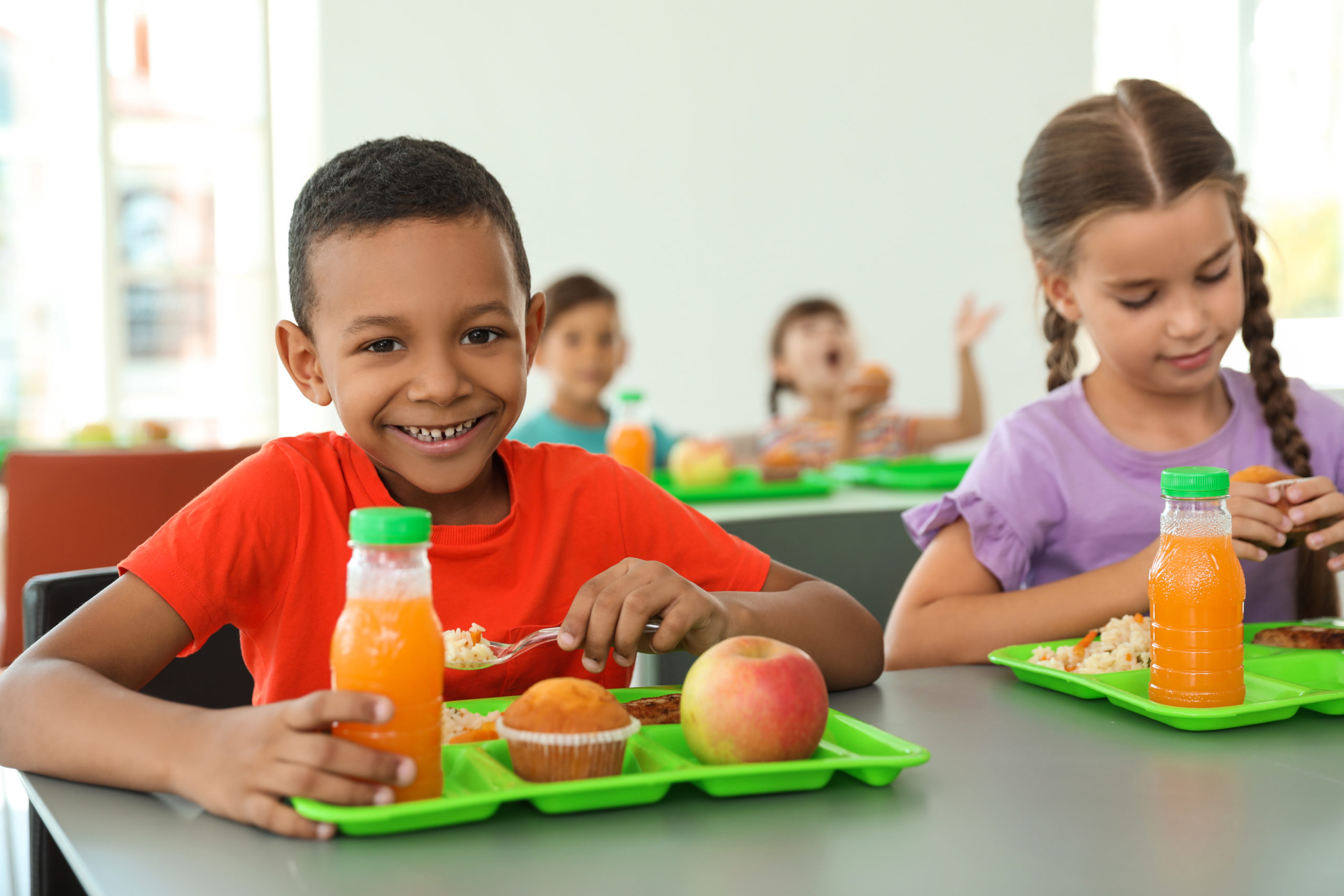
School is back in session! Which means it’s time to go back to our daily routines of waking up early, preparing a healthy breakfast and lunch for the kids, while somehow still being able to catch the school bus on time. Back to school season can get hectic but by planning ahead, you can gain some precious time back to your morning routine. Check out our timesaving tips on creating healthy and balanced lunch boxes for your family.
USDA MyPlate
MyPlate is a useful tool developed by the USDA that provides a framework for what your plate should look like at each meal. Using MyPlate as a guide can help make sure you are incorporating all food groups into your child’s lunchbox. Make sure to fill your child’s lunch box with a serving of each of the following:
- Lean proteins such as chicken, deli meats, ground beef, or beans.
- Whole grains such as whole wheat bread, crackers, pasta, or brown rice.
- A small, fresh piece of fruit, a serving of fruit juice, or a snack container of fruit.
- Colorful vegetables cut up into bite-sized pieces.
- A serving of low-fat dairy, such as reduced fat-cheese, low-fat milk or yogurt.
- A serving of healthy fats, such as mixed nuts, guacamole, hummus, or nut butter.
Here are some lunch box ideas that include each of the MyPlate food groups:
- Deli ham or turkey slices with cheddar cheese cubes, whole grain crackers, sliced cherry tomatoes, apple slices, and low-fat yogurt
- A peanut butter and banana sandwich served on whole grain bread with celery sticks, fresh strawberries, and low-fat milk
- Whole wheat pasta with turkey meatballs topped with marinara sauce and parmesan cheese with a side of carrot sticks, green grapes, and low-fat milk
- Cheddar cheese quesadillas on whole wheat tortilla with a side of bell pepper sticks, guacamole, mixed berries, and low-fat string cheese
Helpful Tips
Make packing lunch even easier by meal planning. Choose one day a week (we recommend a Sunday) where you can wash, cut, and portion out the ingredients for that week’s lunches. If you’re in a major time crunch, instead you can check out your local grocery store and purchase pre-washed, pre-cut fruits and vegetables, pre-portioned packs of peanut butter, guacamole, nuts, and string cheese, yogurt, and pre-cooked proteins. There are tons of pre-packaged options at designed to make your life both easy and delicious!
Once packed, store your child’s lunch box in the fridge with the lid open so cold air can circulate through the lunch box. Use an insulated lunch box and two freezer packs to make sure all perishable food items stay cold and to avoid the possibility of foodborne illness. If packing a hot soup or stew, fill an insulated container with boiling water for a few minutes, drain water, and fill with the hot food item. Keep the container closed until lunch time to maintain hot temperature.
Ask for a Helping Hand
Allowing children to take an active role in preparing their lunch increases the likelihood that they will consume what you’ve packed for them. Give your child the liberty to choose the some of the components of his or her lunch box. Plan ahead for the week with your child to make sure all desired foods are readily available at home.
Deliciously Digestible! Nutrition Tips for a Healthy Gut

By: Destiny Matthews, MS, Dietetic Intern, Texas A&M University
Reviewed by: Katy Bowen, MS, RDN, LD
Edited by Andi Champion, CHEF
There is so much information out there about what you should and shouldn’t eat but health begins with the place where food starts in your body–your digestive system! How can you work with your body to keep your digestive tract healthy?
The bacteria that lives in your digestive tract are called your microbiota. They help to support the immune system, produce vitamins and enzymes, regulate absorption of nutrients, affect metabolism and maintain digestive balance. The health of your gut bacteria depends on diet, age, medications, physical and mental stress, among other factors.
There are several foods, such as foods containing high amounts of saturated fat or ultra-processed grains, that we know may harm your gut over time. Instead, you should focus on consuming whole foods, such as fruits, vegetables, fish, and olive oil. These types of foods provide your gut with antioxidants and are anti-inflammatory. Other foods that can be helpful for your digestive health are low-fat dairy, nuts, and healthy fats. Lifestyle habits such as eating a mostly plant-based diet along with drinking enough water (8 cups per day) have also shown to be beneficial.
What about probiotics and prebiotics?
Probiotics are the “good bacteria” that live in your gut. Foods containing probiotics include:
- Plain yogurt
- Kefir
- Sauerkraut
- Pickled vegetables
- Kimchi
- Miso
Prebiotic foods serve as nutrition for the gut bacteria. These include dietary fibers such as inulin fiber and foods naturally containing dietary fiber, such as:
- Whole grains
- Bananas
- Onions
- Brussel sprouts
- Garlic
- Broccoli
- Beans
- Chickpeas
- Hummus
Did you know that combining a probiotic with a prebiotic is known as food synergy? Try eating more of these foods for healthy digestion. Your gut will thank you!
Sources:
Tomasello G, Mazzola M, Leone A, et al. Nutrition, oxidative stress and intestinal dysbiosis: Influence of diet on gut microbiota in inflammatory bowel diseases. Biomedical Papers of The Medical Faculty Of The University Palacky, Olomouc, Czechoslovakia. 2016;160(4):461-466. doi:10.5507/bp.2016.052.